FIGHT THE OLIGARCHY? Rep. Ro Khanna Reportedly Lives in a Luxury Home With a Four-Story Elevator, Owns Three Private Golf Courses
June 30, 2026
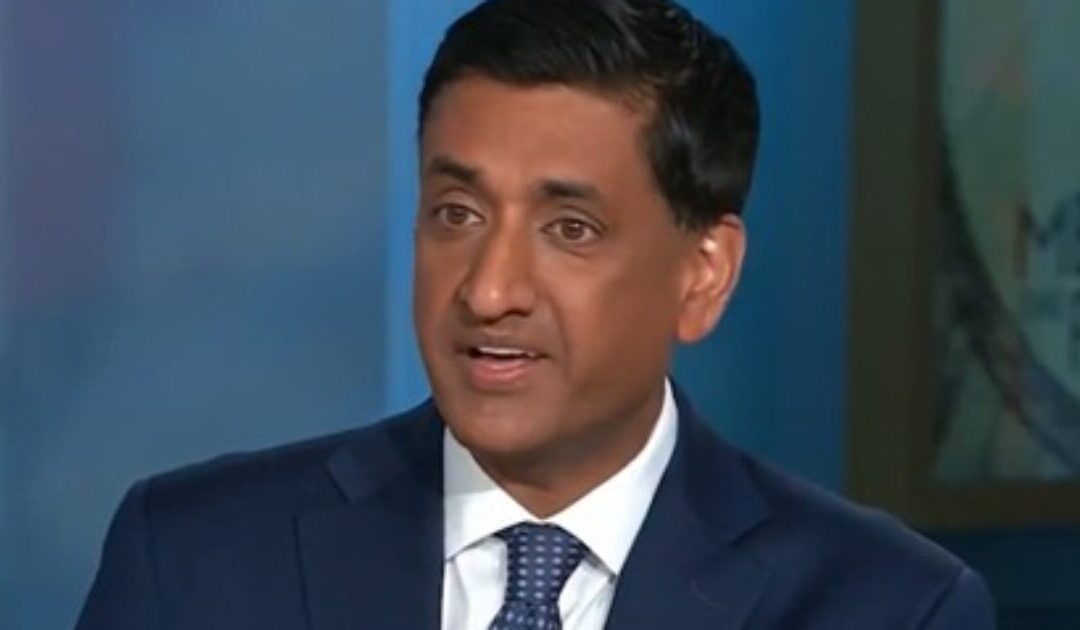
Rep. Ro Khanna (D-CA) appears on “Meet the Press” to discuss his thoughts on the future Democratic Senate leadership. Credit: NBC News screenshot
Rep. Ro Khanna of California is part of the leftist coalition that is supposedly all about fighting the oligarchy. He’s just doing it from the comfort of a luxury home with a multi-floor elevator, while driving an SUV that cost about $200,000.
This is no different than Bernie Sanders flying private jets all over the country as he demands that we ‘tax the rich’ more than we already are. Of AOC driving a Tesla, as she complains about Elon Musk.
They all love to complain about the evils of wealth. Except their own, naturally.
‘Ro’ Me the Money! How Progressive Class Warrior Ro Khanna Lives Like the Oligarchs He ‘Fights,’ With In-Home Elevator, $190K Range Rover, and Family-Owned Golf Courses.
Rep. Ro Khanna (D., Calif.) has emerged as a potential contender for the Democratic presidential nomination while denouncing the ultra-rich who “hoard wealth and engage in financial speculation.” But the progressive, Silicon Valley congressman and his family live a life of staggering luxury, fueled by dynastic wealth they did not earn and protected by the same thicket of trusts, anonymous corporations, and foundations that Khanna condemns.
Khanna lives in a $6 million, 8,000-square-foot luxury home with a four-story elevator and so much premium marble that even the two laundry rooms have marble counters. The Northwest Washington, D.C., home is now for sale, as the Khanna family prepares to move to an even larger, more expensive house a few miles away in the Northern Virginia suburbs.
Khanna’s two children, who are minors, have large ownership shares in three private golf clubs, a significant stake in a $65 billion wealth management firm, and investments in hedge funds that focus on distressed debt, of which Khanna has been critical. Khanna’s wife drives a $190,000 Range Rover she was so displeased with that she sued the dealer.
A Washington Free Beacon investigation into Khanna’s finances finds that the progressive truthteller’s lifestyle is funded by his wife, Ritu Ahuja Khanna, an heiress to her father’s Cleveland auto parts fortune.
Anyone surprised?
Must read exposé: “How Progressive Class Warrior Ro Khanna Lives Like the Oligarchs He ‘Fights,’ With In-Home Elevator, $190K Range Rover, and Family-Owned Golf Courses.”
“Rep. Ro Khanna (D., Calif.) has emerged as a potential contender for the Democratic presidential nomination… pic.twitter.com/V4YK9vjJm4
Khanna is going to run for president in 2028. The radical left will pretend to object to his wealth at first, but they might come around, just like they did for liberal billionaire Tom Steyer in the race for governor of California.
— DSA National Electoral Commission (@DsaElectoral) June 29, 2026
Kiros recently claimed that 9/11 was America’s fault.
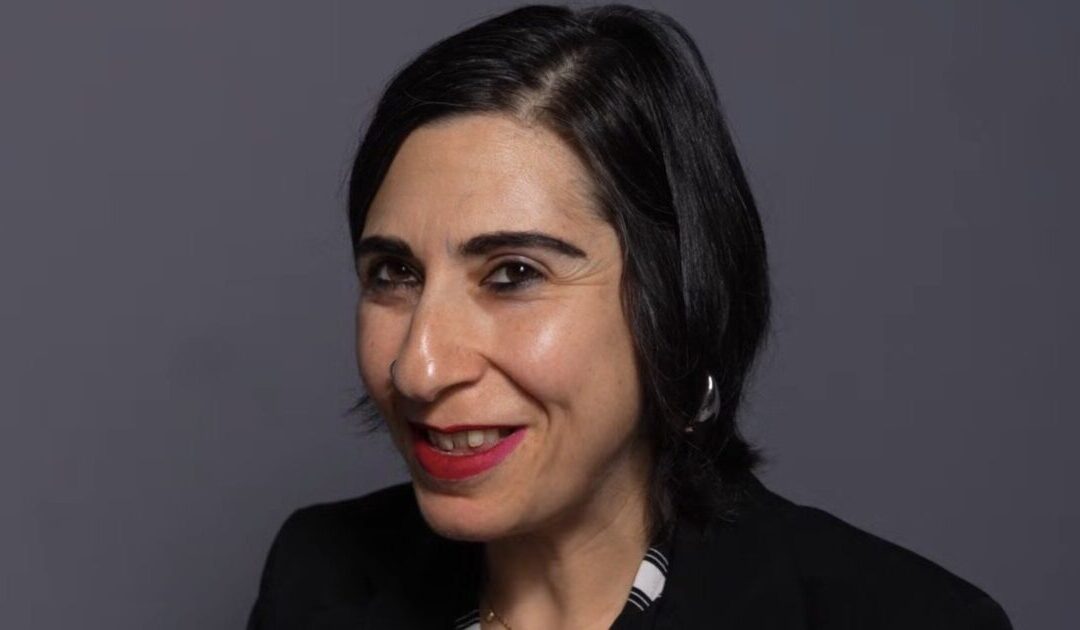
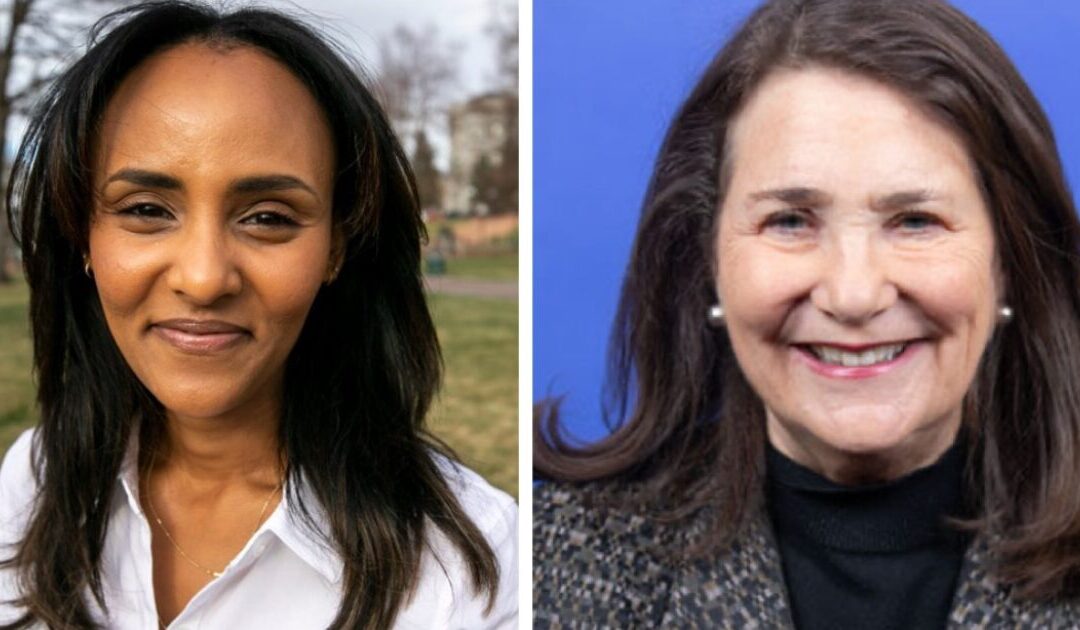
Socialist candidate Melat Kiros, who was born in Ethiopia, is about to beat 15-term incumbent Diana DeGette in the Democrat primary for Colorado’s 1st Congressional District.
Melat Kiros has shown she is not afraid to stand up to corrupt special interests like AIPAC and Big Pharma. She’s exactly the kind of bold leader we need in Congress.
The 29-year-old lawyer argued that the US has Socialism already because the government maintains roads and highways.
“We have socialism already. It’s in the roads we drive on, the schools we send our kids to, the fire stations we call upon. I’m just asking that we extend that security to our healthcare, to our housing, to our nutritional food, to our higher education so that we’re actually meeting the basic needs of everyday working families in this country,” Kiros said this week in a media interview.
WATCH:
Melat Kiros: “We have socialism already. It’s in the roads we drive on, the schools we send our kids to, the fire stations we call upon. I’m just asking that we extend that security to our healthcare, to our housing, to our nutritional food, to our higher education so that we’re… pic.twitter.com/FmmWqWzLsR
Ahead of Colorado’s results, read DDHQ’s preview of the key races. (link below)
Perhaps the top race is #CO01, where democratic socialist Melat Kiros is primarying longtime Rep. Diana DeGette (D) from the left. This is just the latest left-vs.-establishment clash for Dems. pic.twitter.com/RfhLFZ5nHp
HOW CURIOUS: Jill Biden’s New Book Suddenly Vanishes From NY Times Bestseller List, Raising Questions About Actual Sales Numbers
June 30, 2026
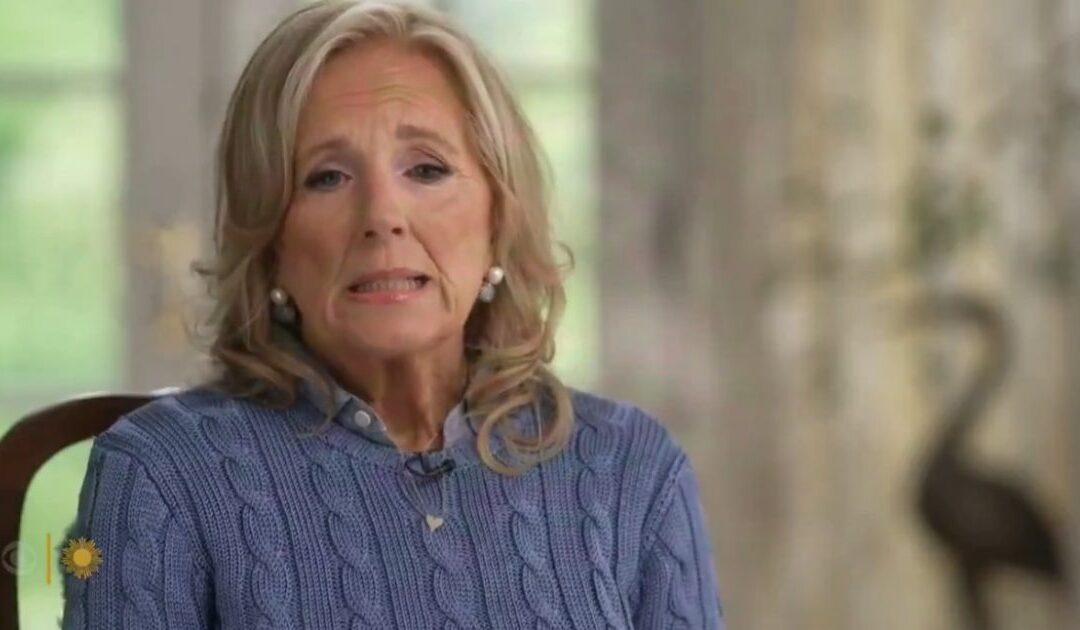
Jill Biden CBS Sunday Mornings
Jill Biden’s new book was on the New York Times bestseller list until it suddenly vanished this week. Isn’t that strange?
Usually, when a book is a bestseller, it stays on the list for a while. In this case, it fell from 1st place to 3rd and then suddenly just wasn’t there anymore.
This raises serious questions about the actual sales numbers for the book. It reinforces the idea that books like this one get boosted by bulk sales from political groups.
Jill Biden memoir’s disappearance from NYT bestseller list after debuting at top raises questions about sales numbers: ‘Very rare’
Former First Lady Jill Biden’s memoir had a brief run atop the New York Times bestseller list before tumbling out of the rankings just weeks later — fueling online speculation that its lofty debut owed more to bulk book orders than to sustained reader demand.
“View from the East Wing,” which was published by Simon & Schuster’s imprint Gallery Books, debuted at No. 1 on the New York Times Hardcover Nonfiction list on June 21 with a dagger (†) symbol indicating that retailers reported some bulk purchases.
By the following week, it had slipped to No. 3, and it has since fallen off the list altogether.
The sharp drop has sparked claims on social media that the 299-page book reached the top through orchestrated buying campaigns instead of real consumer demand.
Former FiveThirtyEight founder Nate Silver was among the most prominent critics, writing on X that the memoir “debuted at #1 on the NYT due to astroturfed bulk orders” before noting that it was “completely” off the list two weeks later and calling such a rapid decline “very rare.”
Publishing experts caution that the reality is more nuanced.
Conservative talk host Jesse Kelly offered this response to the news.
Writing books is how Democrats get rich. How does this work because nobody wants to buy said books?
They get a huge advance. 6 or 7 figures. Then various communist “non-profits” and other groups buy the books in bulk. It’s a bestseller, but nobody reads it. Rinse and repeat. https://t.co/3orGPMM3hW
Even liberal poll analyst Nate Silver is talking about this.
It debuted at #1 on the NYT due to astroturfed bulk orders (not my opinion it got the infamous † indicating this) and is now *completely* off the list 2 weeks later. Very rare for a “#1” to fall that fast. Virtually no one except political reporters are actually reading it. https://t.co/dUU8kswlDN
TRIGGER WARNING: NBC News Grovels to Viewers for Using Terms ‘Biological Male’ and ‘Biological Female’ in Report About SCOTUS Ruling on Trans Athletes (VIDEO)
June 30, 2026
Screencap of Twitter/X video.
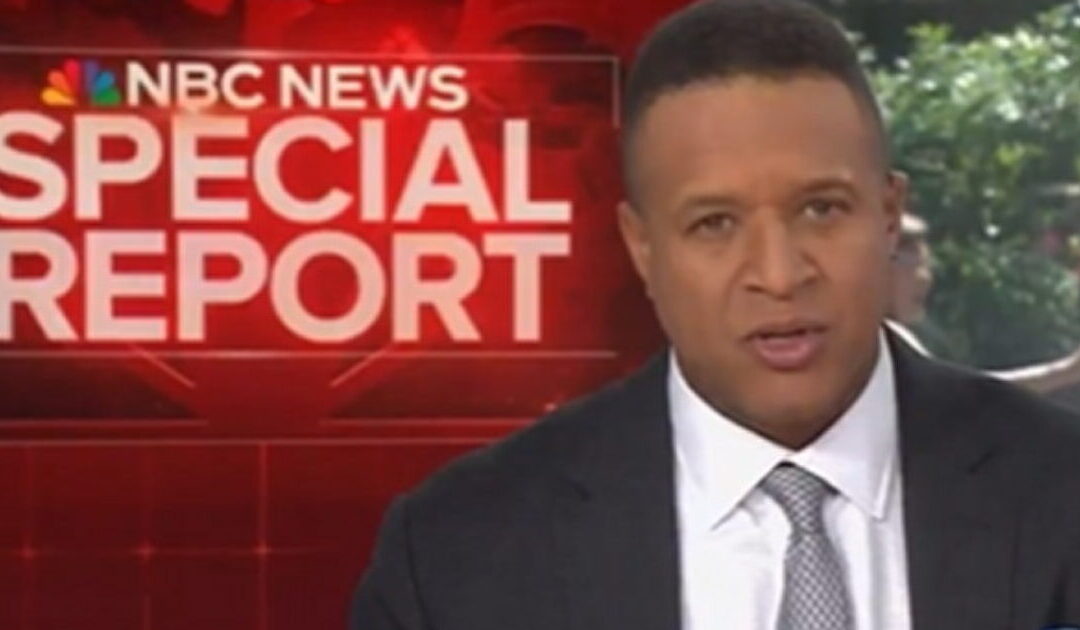
When NBC News reported on the Supreme Court decision on transgender athletes in sports today, journalist Craig Melvin fell all over himself top explain that he was using the terms ‘biological male’ and ‘biological female’ because that is the language the court used in the ruling.
He did not come right out and tell viewers that he was giving them a trigger warning but this is exactly what a trigger warning looks like. It was like he was apologizing to viewers for using these words.
This is how far we have gone down this ridiculously stupid road. Journalists on TV are afraid of offending the audience with completely normal and non-offensive words.
NBC News debased itself Tuesday with its Special Report on the Supreme Court decision allowing state bans of transgenderism in sports to remain in place, delivering a trigger warning about the use of “biological male” and “biological female” as well as scoffing at President Trump for “boil[ing] it down into bumper sticker language” when it’s unclear men have advantages over women and more care should be shown to a “deeply personal issue” that involves a “small” number of people…
Today co-host Craig Melvin also embarrassed himself with Orwellian verbiage, posing what seemed to be a trigger warning for any trans person watching: “Just a quick note here. The terms that we’re using here during our reporting, biological male, biological female, the high court put those terms in quotations in their decision and their dissent. But just so you know, we’re using those terms from the decision itself, biological male, biological female.”
Melvin should consult both Genesis 1 and 5 as well as Matthew 19 to name a few chapters in the Bible laying out male and female.
Jarrett thankfully returned and dispensed with analysis of the ruling without the ludicrous rhetorical throat-clearing.
Watch the video below:
INSANE: NBC’s Craig Melvin offers a trigger warning for trans people watching…
“Just a quick note here. The terms that we’re using here during our reporting, biological male, biological female, the high court put those terms in quotations in their decision and their dissent.… pic.twitter.com/Hx15swCfJ6
Tennessee Taxpayers to Pay $1.9 Million Settlement to Fired Professor Who Celebrated Charlie Kirk’s Assassination
June 30, 2026
Tamar Shirnian during an interview with Knox News back in February.
The University of Tennessee has agreed to pay former assistant professor Tamar Shirinian $1.9 million to settle a lawsuit after she was fired over a social media post celebrating the death of Turning Point CEO and conservative activist Charlie Kirk.
Under the settlement, approved by the University of Tennessee System Board of Trustees, Shirinian will not return to her teaching position.
The agreement still requires approval from Tennessee Attorney General Jonathan Skrmetti and Gov. Bill Lee.
“My client is pleased that the parties reached a resolution,” Shirinian’s attorney, Robb Bigelow, said.
“We believe the resolution reflects the seriousness of the issues while allowing everyone to move forward.”
University of Tennessee to pay $1.9M to professor fired over Charlie Kirk comment https://t.co/56uuKPk89Z
Because the University of Tennessee is a publicly funded institution, any settlement it pays ultimately comes from public funds, meaning Tennessee taxpayers will bear the cost.
The dispute began in September 2025, days after Kirk was assassinated during an event at Utah Valley University.
“The world is better off without him in it,” she wrote in a Facebook post.
“Even those who are claiming to be sad for his wife and kids… [they] are better off living without a disgusting psychopath like him.”
“His wife, well she’s a sick fuck for marrying him so I don’t [sic] care about his feelings.”
BREAKING: Professor at @UTKnoxville Tamar Shirinian has been FIRED after vile post celebrating Charlie’s death
“His kids are better off living in a world without a disgusting psychopath like him and his wife is a sick f*** for marrying him.”
Screenshots of the post quickly spread online. After a formal investigation, she was terminated from her position.
Meet Tamar Shirinian. Tamar is a professor at @UTKnoxville. Someone sent this horrific post to my DM’s. UTK must take action. Email: mtindell@tennessee.edu to ask President @randyboyd to act now. Also, why do we even have queer theory or queer anthropology specialists at… pic.twitter.com/3mcxTzettr
Shirinian sued the university in federal court in October 2025, alleging her dismissal violated her rights. Plowman finalized her termination in February 2026.
A federal court filing states that both sides are finalizing the settlement agreement.
We use technologies like cookies to store and/or access device information. We do this to improve browsing experience and to show (non-) personalized ads. Consenting to these technologies will allow us to process data such as browsing behavior or unique IDs on this site. Not consenting or withdrawing consent, may adversely affect certain features and functions.
Functional
Always active
The technical storage or access is strictly necessary for the legitimate purpose of enabling the use of a specific service explicitly requested by the subscriber or user, or for the sole purpose of carrying out the transmission of a communication over an electronic communications network.
Preferences
The technical storage or access is necessary for the legitimate purpose of storing preferences that are not requested by the subscriber or user.
Statistics
The technical storage or access that is used exclusively for statistical purposes.The technical storage or access that is used exclusively for anonymous statistical purposes. Without a subpoena, voluntary compliance on the part of your Internet Service Provider, or additional records from a third party, information stored or retrieved for this purpose alone cannot usually be used to identify you.
Marketing
The technical storage or access is required to create user profiles to send advertising, or to track the user on a website or across several websites for similar marketing purposes.

 It’s crunch time in Colorado